
NORTHRIDGE, CA – In 2018, malaria vaccines will be tested on 360,000 babies and children in Kenya, Ghana, and Malawi.

The World Health Organization (WHO) reported more than 200-million malaria cases worldwide in 2015. Malaria is a mosquito-borne infectious disease, it affects people and animals.
RTS,S also known as, MosquiriX is a vaccine that is said to be injected in four doses. Next year, doctors and WHO officials are hoping the vaccine will work under real-life circumstances.
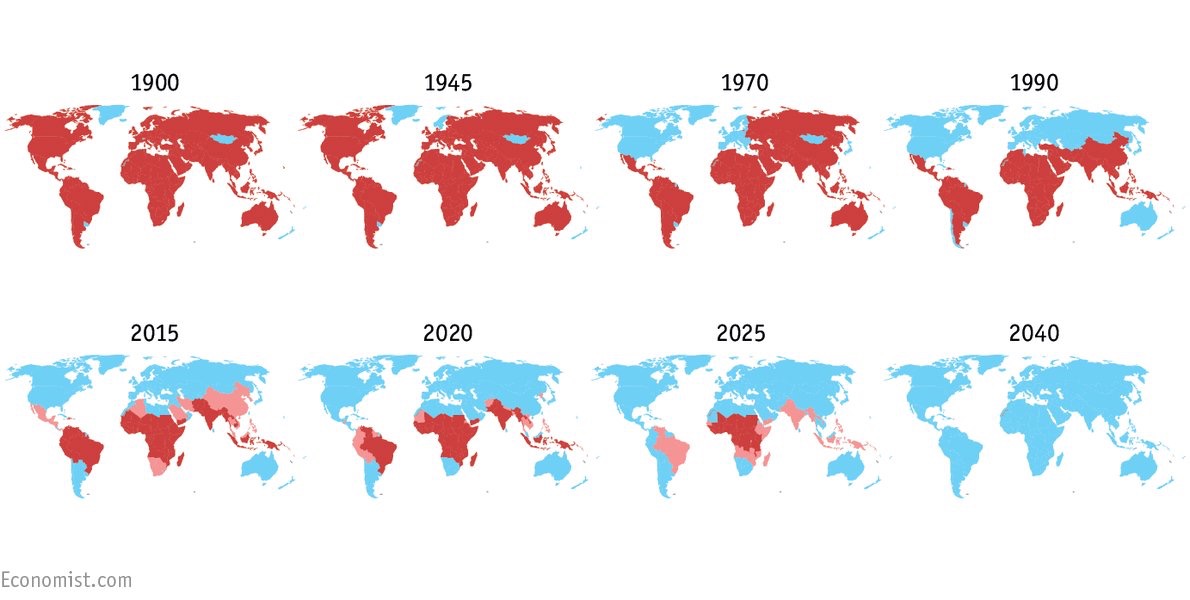
Africa has the highest number of malaria cases. In 2015, WHO estimated 429,000 deaths globally because of malaria, 92% of those deaths were in Africa. Kenya and Ghana are countries on the edge of Africa, right next to the Indian Ocean and the South Atlantic Ocean. Malawi has a large lake of more than 11-thousand square miles.
Mosquitoes are attracted to sweat and live in water their first days, they need it to reproduce. Once a mosquito bites parasites are released into the bloodstream.

AD
The amount of malaria cases and deaths have both gone down more than 40% but this new vaccine is expected to close the 43% gap of unprotected people. Not having access to nets and bugs spray tests has affected pregnant women and their babies, men, and children.
Malaria is very life-threatening, it can cause: organ failure, swollen brain blood vessels, too much fluid in the lungs, anemia, and low blood sugar. The parasites make treatments and drugs ineffective.
WHO made April 25, 2017, World Malaria Day. The organization asked for serious help to improve the access to life-saving prevention tools.
By Lauren Turner Dunn
Contributions from, The World Health Organization, Malaria Vaccine Initiative, Healthline, BBC, Mega Catch
Photos, Al Jazzera, The Economist
EDUCATE YOURSELF

 Lauren Turner Dunn — Portfolio
Great job!!!!
LikeLiked by 1 person